Cycle Time Calculation
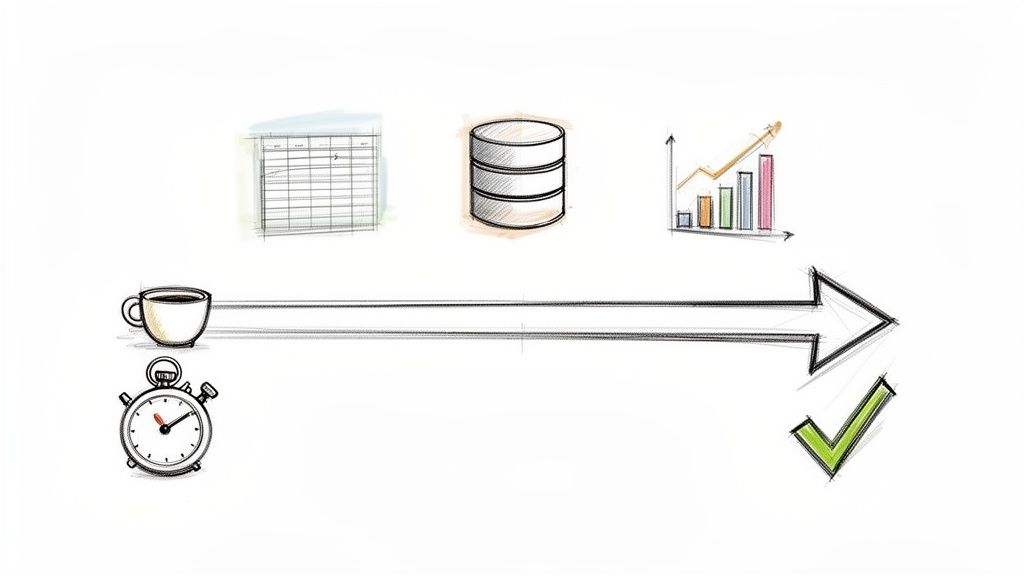
Cycle time calculation is a critical metric for understanding how long it takes for a task to move from start to finish. By measuring this duration, teams can identify bottlenecks and improve their overall efficiency and predictability. This data helps organizations optimize their workflows and set more realistic expectations for project delivery.
Frequently Asked Questions
What is cycle time calculation and how is it measured?
Cycle time is calculated by measuring the total elapsed time from the moment work begins on a task until it is completed. Teams typically track this by recording start and end timestamps in their project management tools to find the average duration of specific work items.
How does tracking cycle time improve team collaboration?
Monitoring cycle time allows teams to spot blockers early and discuss them during weekly updates on WeekBlast. This transparency encourages collective problem solving and helps teams align on where to focus their process improvement efforts.
What is a best practice for improving cycle time accuracy?
A key best practice is to define clear start and end points for every task to ensure consistent data collection across the team. Regularly reviewing these metrics during retrospectives ensures that the team remains focused on reducing friction and increasing delivery speed.