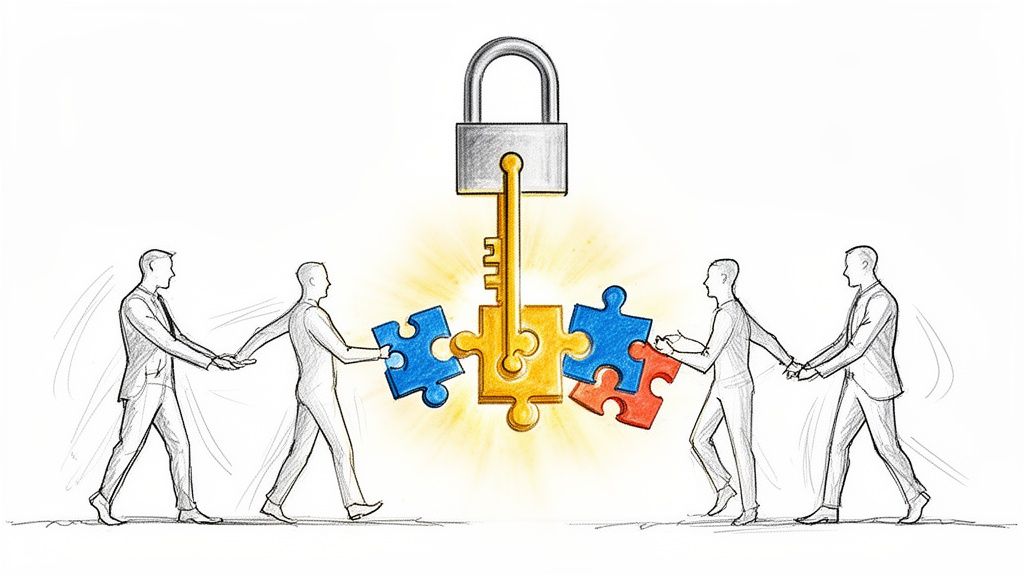
Why Teamwork is Important
Effective teamwork serves as the foundation for high-performing organizations by combining diverse skill sets to achieve common goals. This topic explores how collaborative efforts drive innovation, increase productivity, and foster a supportive work culture. Understanding these dynamics helps leaders build more resilient and efficient teams.
Frequently Asked Questions
What defines effective teamwork in a modern workplace?
Effective teamwork involves clear communication, shared accountability, and the alignment of individual tasks with broader company objectives. When team members understand their roles and feel supported by their peers, they can solve complex problems more efficiently. Tools like WeekBlast help maintain this alignment by keeping everyone informed of progress and potential blockers.
How does strong teamwork improve overall project outcomes?
Strong teamwork reduces the likelihood of errors and accelerates project delivery through better resource allocation and peer review. Collaborative environments encourage knowledge sharing, which prevents silos and ensures that expertise is distributed across the entire department. This collective intelligence leads to higher quality results than individual efforts alone.
What is one practical way to foster better teamwork?
Establish a routine for sharing regular updates to ensure transparency and build trust among team members. Using a platform for weekly work summaries allows everyone to celebrate wins and offer help where it is needed most. Consistent visibility into each person's contributions reinforces a sense of shared purpose and collective success.