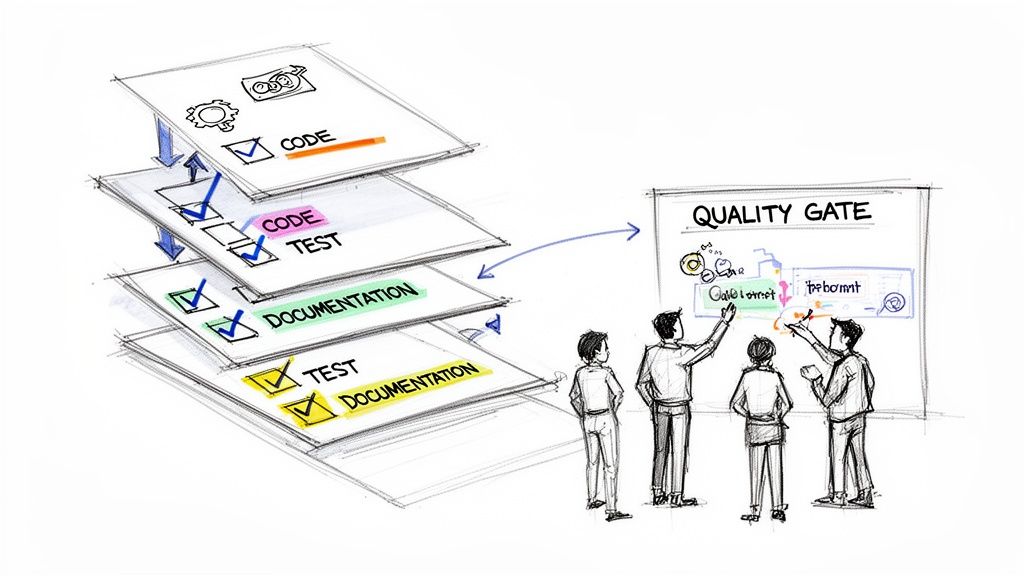
Agile Best Practices
Agile best practices provide a framework for teams to deliver value through iterative development and continuous feedback. These methodologies focus on transparency and adaptability to ensure projects remain aligned with evolving user needs. By implementing these strategies, organizations can improve their communication and increase overall productivity.
Frequently Asked Questions
What are agile best practices and why are they important?
Agile best practices are a set of principles that emphasize flexibility and customer satisfaction through incremental progress. They are important because they allow teams to respond quickly to changes while maintaining high quality standards. Using tools like WeekBlast helps teams document these iterations to keep stakeholders informed throughout the process.
How do agile best practices improve team collaboration?
These practices promote open communication and shared responsibility by breaking down silos between departments. Regular touchpoints such as standups and retrospectives ensure that every team member is aligned on goals and blockers. This structured approach fosters a culture of trust and collective problem solving across the organization.
What is a practical tip for implementing agile workflows?
Start by defining clear sprint goals and maintaining a prioritized backlog to keep the team focused on high impact tasks. It is also beneficial to use a central platform for weekly updates so that progress is visible to everyone involved. This transparency reduces the need for excessive meetings and allows for more time on actual development work.