Fast Tracking
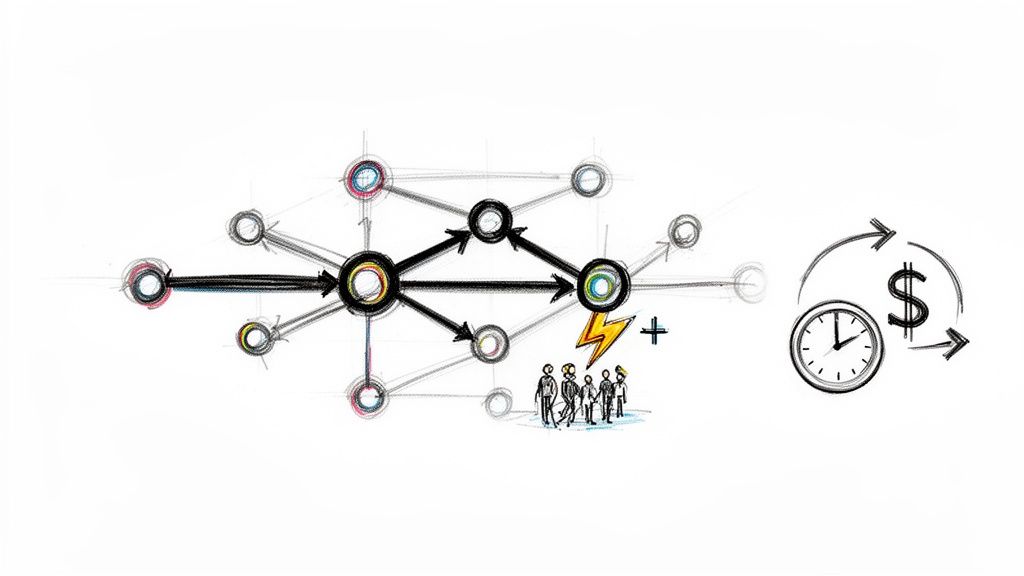
Fast tracking is a project management technique used to compress a schedule by performing tasks in parallel that were originally planned in sequence. This approach is essential for teams facing tight deadlines or looking to accelerate delivery without reducing the project scope. By identifying overlapping opportunities, teams can optimize their workflow and achieve milestones faster.
Frequently Asked Questions
What is the primary difference between fast tracking and crashing?
Fast tracking involves performing activities simultaneously to save time, whereas crashing involves adding more resources to a task to finish it sooner. Fast tracking is often preferred initially because it does not necessarily increase costs, though it does elevate project risk and complexity.
How does fast tracking improve team collaboration during tight deadlines?
It requires high levels of communication and coordination since multiple dependencies are managed at once. Using a tool like WeekBlast helps teams stay aligned by providing clear visibility into parallel tasks and potential bottlenecks.
What is a best practice for implementing fast tracking safely?
Focus on the critical path and ensure that the tasks being overlapped do not have rigid dependencies that could lead to extensive rework. Regularly review progress in weekly updates to catch issues early and adjust the schedule as needed.